If you’ve ever felt limited by off-the-shelf electronics that don’t quite fit your business needs, you’re not alone. Across Australia, businesses in healthcare, agriculture, manufacturing, education, and automotive are discovering that custom hardware development offers a powerful competitive advantage — purpose-built devices designed to solve their exact problems.
But what does “custom hardware development” actually mean? How does the process work? And is it realistic for your business? This guide covers everything you need to know.
What Is Custom Hardware Development?
Custom hardware development is the process of designing and building physical electronic devices, circuits, and systems tailored to specific requirements. Unlike buying off-the-shelf products and adapting your workflow to fit them, custom hardware is engineered from the ground up to match your exact use case.
This can include everything from a simple sensor module to a complex robotics system. The scope depends entirely on what problem you need to solve.
Common examples of custom hardware include:
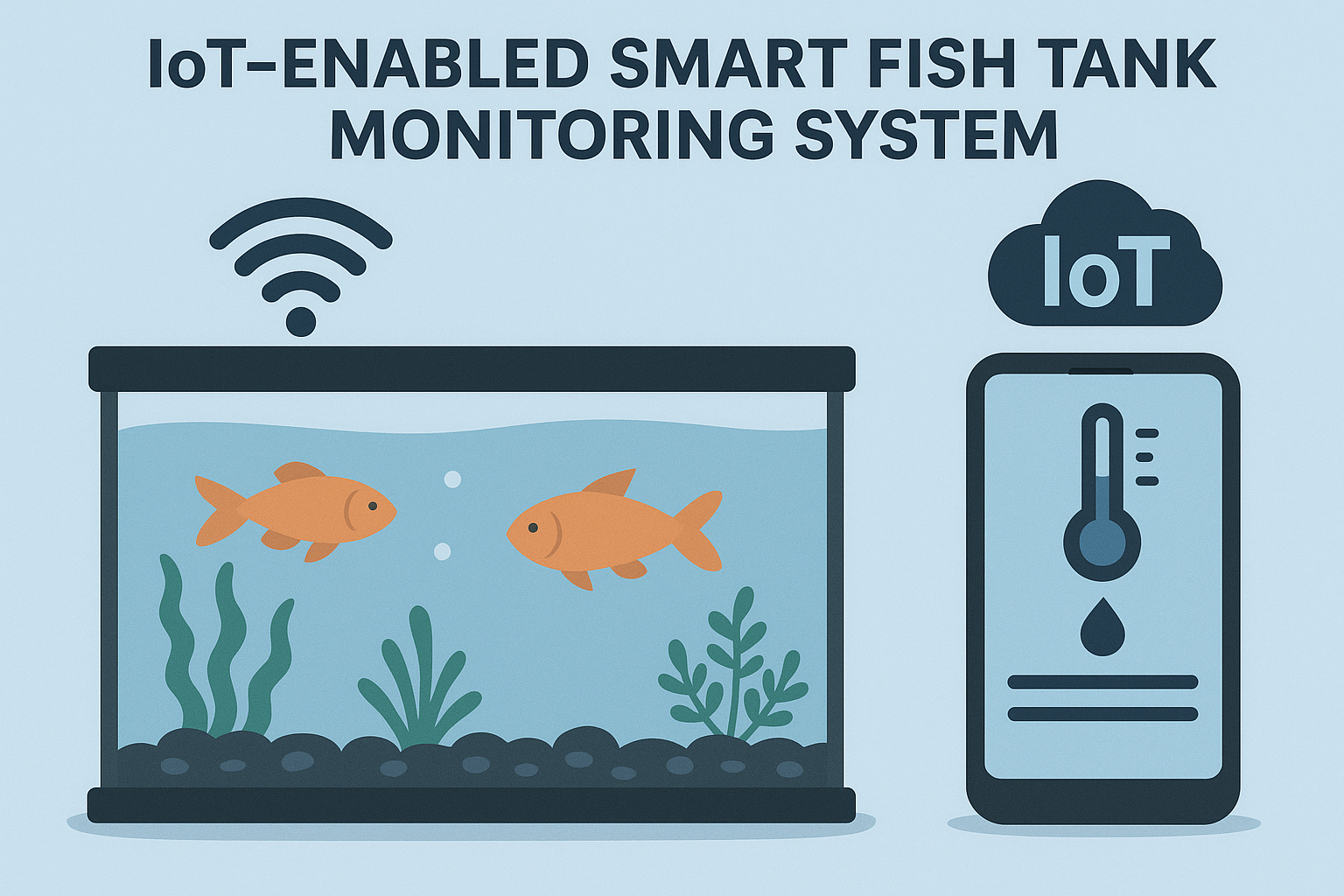
- IoT devices — connected sensors and monitors that collect and transmit data in real time (think: smart agriculture sensors, industrial monitors, or asset trackers)
- Embedded systems — purpose-built computers embedded inside a larger device or machine (like a control unit inside medical equipment)
- Robotics — automated machines designed for specific tasks, from manufacturing arms to assistive mobility devices
- Custom PCBs — printed circuit boards designed to your specifications, forming the backbone of any electronic product
- PLC automation — programmable logic controllers that automate manufacturing and industrial processes
- STEM and education kits — hands-on electronics and robotics kits designed for schools and universities
Why Australian Businesses Are Investing in Custom Hardware
The Australian market has unique conditions that make custom hardware particularly valuable. Geographic distance from major manufacturing hubs, specific regulatory requirements, and a growing emphasis on local innovation are all driving demand.
Here are the key reasons businesses choose custom over off-the-shelf:
1. Perfect Fit for Your Requirements
Off-the-shelf hardware forces you to work around its limitations. Custom hardware is designed around your workflow, environment, and data requirements from day one. If you need a sensor that operates in extreme Australian outback conditions, or a medical device that meets TGA regulations, custom is the way to go.
2. Competitive Differentiation
When your product includes proprietary hardware that competitors can’t simply buy and replicate, you create a genuine barrier to entry. This is especially powerful for startups building hardware-based products where the device itself is the value proposition.
3. Integration with Your Software
Custom hardware can be designed to communicate seamlessly with your mobile apps, web dashboards, and cloud systems. At Wilnet Solutions, we build both the hardware and the software that powers it — eliminating the integration headaches that come from stitching together third-party components.
4. Scalability
A well-designed custom hardware platform can be manufactured at scale. What starts as a single prototype can become a production run of thousands of units, all built to your specifications.
5. Cost Efficiency at Scale
While the upfront investment is higher than buying off-the-shelf, custom hardware often becomes more cost-effective at scale. You’re only paying for the components and features you actually need, without subsidising features you’ll never use.
The Custom Hardware Development Process
Understanding the development process helps you plan timelines and budgets realistically. At Wilnet Solutions, we follow a structured four-stage approach:
Stage 1: Discovery & Requirements
Every project begins with a thorough understanding of your goals. We map out the technical specifications, environmental requirements, regulatory considerations, and integration needs. This stage typically takes 1-2 weeks and includes:
- Defining the problem the hardware needs to solve
- Identifying sensors, actuators, and communication protocols required
- Establishing power requirements and form factor constraints
- Planning software integration points
- Outlining compliance and certification requirements
Stage 2: Design & Prototyping
With requirements locked in, our engineers create the initial design. This includes schematic design, PCB layout, component selection, and 3D modelling of enclosures. We then build a working prototype — a tangible device you can hold, test, and provide feedback on.
For simpler IoT devices, a first prototype can be ready in 4-6 weeks. Complex systems with multiple subsystems may take 8-12 weeks.
Stage 3: Testing & Refinement
The prototype undergoes rigorous testing — functional testing, environmental testing, stress testing, and integration testing with your software systems. Based on results, we refine the design. Most projects go through 2-3 iteration cycles before the design is finalised.
Stage 4: Production & Deployment
Once the design is validated, we prepare manufacturing files and manage the production process. This includes final PCB fabrication, component sourcing, assembly, quality assurance, and delivery. We also provide ongoing firmware updates and technical support.
Industries We Serve in Australia
Custom hardware development spans virtually every industry. Here are the sectors where we see the strongest demand:
Healthcare & Medical Devices
From AI-powered stethoscopes to wearable monitoring devices and neuroprosthetics, healthcare is one of the fastest-growing areas for custom hardware. Australian healthtech startups are building innovative devices that improve diagnostics, treatment, and patient monitoring — and they need specialised hardware to do it.
Agriculture & AgriTech
Australian farming operations are increasingly turning to technology. Custom IoT sensors for soil moisture monitoring, automated livestock feeding systems, fish tank monitors with real-time data, and vibration sensors for machinery maintenance are all examples of AgriTech hardware we develop.
Automotive & Transport
Smart tyre pressure monitoring systems, vehicle tracking devices, and fleet management hardware require ruggedised, reliable custom electronics. We have experience building automotive-grade systems designed to withstand harsh Australian conditions.
Education & STEM
Empowering the next generation of engineers requires hands-on tools. We develop custom robotics kits, coding platforms, and electronics learning systems used by schools and universities across Australia. Our STEM initiatives have helped over 20,000 learners gain real-world tech skills.
Manufacturing & Industrial
PLC automation, predictive maintenance sensors, and industrial IoT systems help manufacturers improve efficiency and reduce downtime. Custom hardware in this space is often designed for harsh factory environments and must meet strict reliability standards.
How Much Does Custom Hardware Development Cost?
Costs vary significantly based on complexity, but here are rough ranges for the Australian market:
- Simple IoT sensor/device: $5,000 – $20,000 AUD (design through to prototype)
- Mid-complexity embedded system: $20,000 – $60,000 AUD
- Complex robotics/medical device: $60,000 – $200,000+ AUD
- Production unit costs: Typically $50 – $500 per unit depending on volume and complexity
These figures include design, prototyping, and initial testing. Production manufacturing costs are additional and decrease with volume.
Custom Hardware + Software: Why It Matters
One of the biggest challenges businesses face with hardware projects is integration. The physical device needs to communicate with apps, dashboards, and cloud platforms — and when the hardware team and software team are different companies, things get complicated.
At Wilnet Solutions, we handle both sides. When we build a smart tyre pressure monitoring system, we also build the mobile app that displays the data. When we create an industrial IoT sensor, we also develop the web dashboard that visualises the readings. This end-to-end approach eliminates communication gaps and delivers a more cohesive product.
Getting Started with Your Project
If you’re considering custom hardware development for your Australian business, here’s how to take the first step:
- Define your problem — What specific challenge are you trying to solve with hardware?
- Identify your users — Who will use the device, and in what environment?
- Set your budget range — Have a realistic budget in mind for the initial prototype phase
- Book a consultation — Talk to a hardware development team (like us) to validate your concept
We offer free initial consultations where we assess your concept, provide technical guidance, and outline a realistic development plan. Whether you’re a startup with a product idea or an established business looking to automate operations, we can help you move from concept to reality.
Ready to build something? Book a free consultation with Wilnet Solutions and let’s discuss your custom hardware project.
Wilnet Solutions is an Australian technology company offering custom hardware development, IT solutions, branding, and marketing. We’ve delivered 60+ successful projects across 5+ countries. Explore our custom hardware portfolio →